

In a world where eco-consciousness is more than just a trendy hashtag, green home certification has emerged as the superhero of sustainable living. Imagine transforming your humble abode into a fortress of energy efficiency and environmental responsibility, all while boosting its value. It’s like giving your home a cape—who wouldn’t want that?
Overview of Green Home Certification
Green home certification signifies a commitment to sustainable living and energy efficiency. These certifications verify that homes meet specific environmental standards, enhancing their sustainability. Various organizations provide certification programs, including the U.S. Green Building Council (USGBC) and the National Association of Home Builders (NAHB).
The LEED (Leadership in Energy and Environmental Design) program represents a leading certification initiative. This program emphasizes energy performance, material efficiency, water conservation, and indoor air quality. Homes with LEED certification showcase a minimum of 40 points across various categories, with eligibility for higher levels based on achieving more points.
Energy Star offers another well-recognized certification, focusing primarily on energy efficiency. Homes with this certification utilize at least 10% less energy than typical homes, ensuring lower utility bills and a reduced carbon footprint. Many buyers prioritize energy efficiency when selecting a home, knowing that energy-efficient homes often lead to long-term savings.
The certification process involves inspections and evaluations by certified professionals. Homeowners must demonstrate compliance with environmental guidelines during these assessments. Documentation outlining energy usage, material sourcing, and waste management contributes to the certification process.
Benefits extend beyond financial savings. Certified homes often enjoy increased property value, appeal to environmentally conscious buyers, and promote healthier living environments. Enhanced indoor air quality reduces allergens and toxins, leading to improved overall well-being. Additionally, green homes often receive local and state tax incentives, further boosting their attractiveness.
Green home certification serves as a significant aspect of sustainable living efforts, impacting the environment positively. It fosters a shift toward building practices that prioritize ecological responsibility. Homeowners make meaningful contributions to environmental conservation through certification participation.
Benefits of Green Home Certification
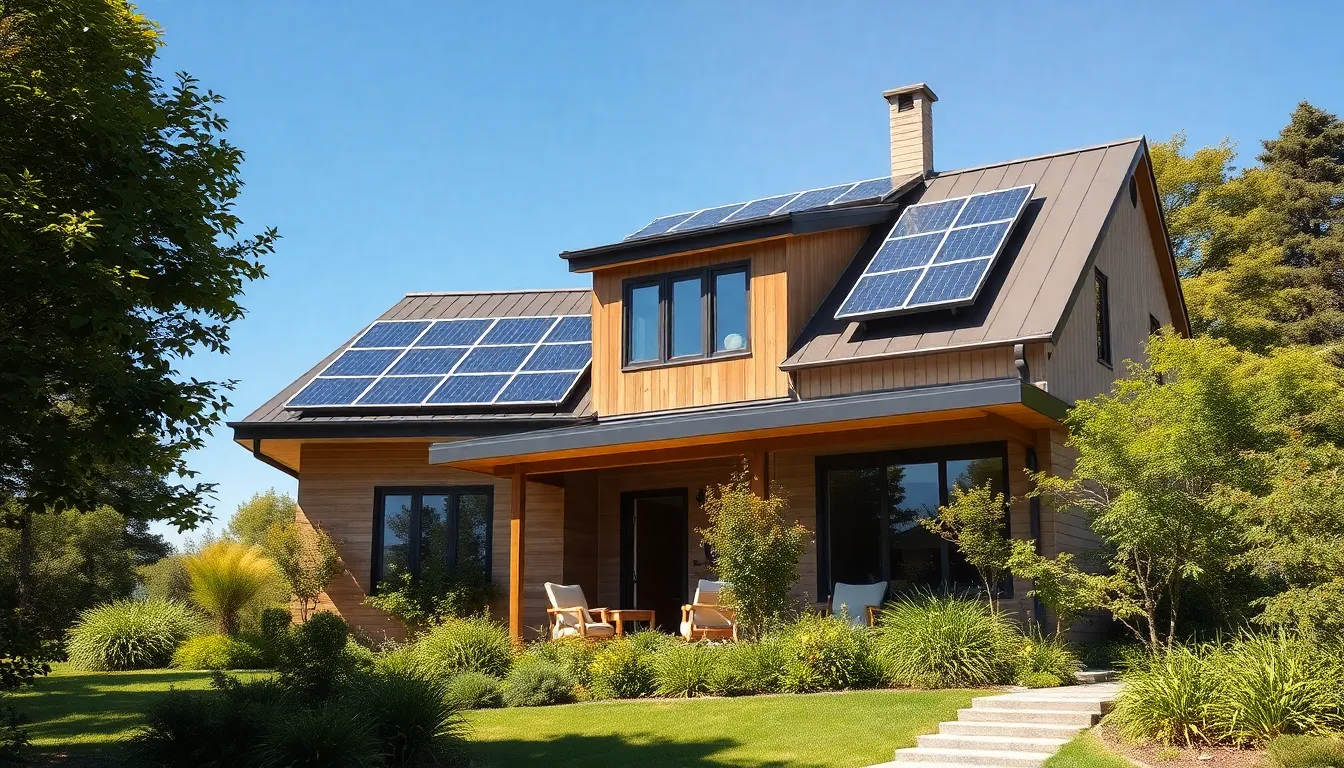
Green home certification offers numerous advantages that extend to both the environment and homeowners. Adopting eco-friendly practices leads to significant rewards.
Environmental Impact
Certified homes dramatically reduce energy consumption, lowering greenhouse gas emissions. Improved water conservation methods positively affect local ecosystems. Enhanced indoor air quality fosters healthier living conditions, benefiting occupants’ health. Communities experience reduced urban heat effects through sustainable building practices. Certification programs encourage the use of sustainable materials, further minimizing environmental footprints. Certified homes thus contribute significantly to global sustainability efforts.
Cost Savings
Lower utility bills result from energy-efficient appliances and improved insulation found in certified homes. Maintenance costs often decrease as better materials and construction techniques enhance durability. Homeowners can benefit from potential tax incentives, reducing overall expenses. Increased property value becomes evident, making homes more attractive to potential buyers. Resale values of certified homes typically exceed those of non-certified counterparts, ensuring solid financial returns. Long-term savings make green home certification a wise investment.
Certification Programs and Standards
Various certification programs and standards validate green home practices, establishing benchmarks for sustainability. Each program offers unique criteria and benefits.
LEED Certification
LEED, or Leadership in Energy and Environmental Design, is among the most recognized programs. It encourages homes to meet stringent energy performance, material efficiency, water conservation, and indoor air quality standards. Achieving LEED certification requires accumulating a minimum of 40 points across various categories, including sustainable site development and energy efficiency. Certified homes often demonstrate significant reductions in energy usage and operational costs. Furthermore, properties with LEED certification frequently attract environmentally conscious buyers, enhancing resale potential.
Energy Star Certification
Energy Star certification focuses on improving energy efficiency in homes. A home receiving this designation must use at least 10% less energy than standard homes. This program emphasizes cost-effective energy-saving measures in design, construction, and appliance selection. Homes that qualify typically showcase better insulation, advanced heating and cooling systems, and high-performance windows. Potential homeowners benefit from lower utility bills and increased comfort levels. Overall, Energy Star certification not only enhances a property’s marketability but also supports efforts to reduce greenhouse gas emissions.
How to Achieve Green Home Certification
Achieving green home certification involves several specific steps that ensure alignment with environmental standards.
Steps to Certification
Start by selecting a certification program such as LEED or Energy Star. Research the requirements and guidelines associated with the chosen program. Next, assess the current state of the home through a professional energy audit. Implement necessary improvements, which may include upgrading insulation or installing energy-efficient appliances. Schedule inspections at critical stages of renovation. After completing the required modifications, submit documentation for evaluation by certification officials. Obtaining the necessary points across specified categories leads to successful certification.
Common Challenges
Homeowners often face obstacles during the certification process. Understanding complex guidelines frequently proves challenging, requiring careful navigation. Maintaining compliance with evolving regulations can add complications. Budget constraints also impact the ability to undertake required upgrades. Securing qualified professionals for evaluations and installations sometimes poses difficulties. Coordination of multiple contractors complicates timelines, potentially delaying certification. Additionally, potential environmental impacts from renovations can raise concerns among local authorities or neighbors.
Embracing green home certification is a pivotal step towards a sustainable future. It not only enhances property value but also fosters a healthier living environment. Homeowners who invest in these certifications are making a commitment to eco-consciousness and energy efficiency.
The benefits extend beyond financial gains to include significant environmental impacts. By reducing energy consumption and improving indoor air quality, certified homes contribute to a healthier planet. Navigating the certification process may present challenges but the rewards far outweigh the efforts.
Ultimately, green home certification is more than just a label; it represents a lifestyle choice that prioritizes sustainability and responsible living. As more homeowners recognize these advantages, the movement towards greener homes will continue to grow.

