

Property taxes can feel like that uninvited guest who overstays their welcome, munching on your snacks and draining your wallet. As homeowners navigate the maze of local tax regulations, the concept of a property tax limit emerges like a superhero in a cape, promising to save the day. But what exactly does this mean for the average homeowner?
Understanding Property Tax Limits
Property tax limits set boundaries on the amount local governments can increase property taxes. Homeowners benefit from these limits as they protect them from sudden financial burdens linked to rising taxes.
Definition of Property Tax Limit
A property tax limit caps the percentage increase in property taxes, often based on inflation or a predefined threshold. States or municipalities impose these limits to provide predictability for homeowners. This mechanism helps maintain fair tax assessments and ensures homeowners aren’t overwhelmed by escalating costs.
Importance of Property Tax Limits
Property tax limits play a critical role in financial stability for homeowners. They prevent unexpected tax hikes that could strain budgets. Limiting tax increases fosters a more sustainable housing market, allowing families to stay in their homes. Additionally, these limits promote accountability among local governments, encouraging responsible fiscal management of public resources.
Types of Property Tax Limits
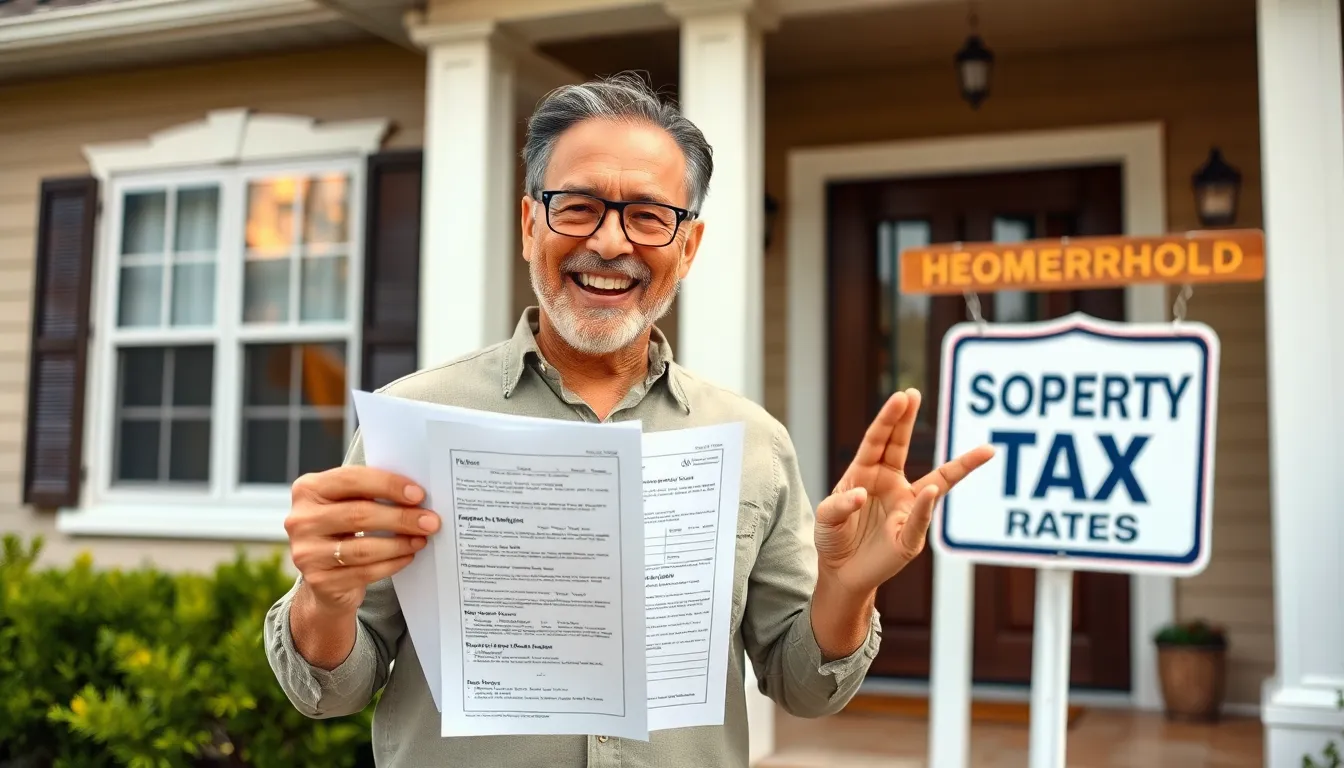

Property tax limits come in various forms, primarily designed to safeguard homeowners from excessive tax increases. Understanding these types enhances awareness of financial responsibilities.
Constitutional Limits
Constitutional limits impose restrictions on property tax increases, rooted in state constitutions. Many states establish caps based on a percentage of assessed value. For example, California’s Proposition 13 restricts property tax rates to 1% of assessed value, along with a maximum increase of 2% annually. Such measures ensure predictability and fairness in tax assessments. Protecting homeowners from sudden surges in their tax bills remains a core tenet of these constitutional provisions.
Statutory Limits
Statutory limits refer to laws enacted by state legislatures to control property tax increases. These laws often dictate specific caps on how much local governments can raise taxes each year. For instance, some states cap increases at 4% annually, regardless of inflationary pressures. Statutory limits vary significantly by state, addressing different economic conditions and public service needs. These structures promote fiscal responsibility while keeping the tax burden manageable for homeowners.
Effects of Property Tax Limits
Property tax limits significantly influence both local governments and homeowners. These effects shape community budgeting, housing markets, and fiscal stability.
Impact on Local Governments
Local governments experience constrained revenue growth due to property tax limits. Funding for essential services like education, infrastructure, and public safety may decrease. Municipalities often have to find alternative revenue sources to balance budgets. They might implement fees or seek state funding to cover gaps. Additionally, tax limits can encourage local officials to prioritize spending and enhance fiscal management. Communities may focus more on efficiency, ensuring funds are allocated effectively.
Effects on Homeowners and Buyers
Homeowners receive immediate benefits from property tax limits, such as predictable tax bills. Stability in taxes helps families budget more effectively for housing costs. Buyers also gain advantages, as capped tax rates create an attractive housing market. Affordability increases when homeowners can anticipate future tax obligations. This predictability often leads to more considerable investments in homes and neighborhoods. Enhanced community stability results from reduced financial uncertainty. Furthermore, limits can increase demand in housing markets, ultimately contributing to overall property values.
Implementing Property Tax Limits
Implementing property tax limits involves a multifaceted approach that requires collaboration between state legislatures, local governments, and the public. Stakeholders must identify the appropriate type of limit, whether constitutional or statutory, suitable for their region. Governments often engage in public discussions before formalizing proposed limits, ensuring transparency and understanding among residents. After gaining feedback, officials draft legislation or amendments, which then undergoes a series of approvals through votes. Monitoring and enforcement play vital roles in maintaining compliance, as local authorities must adhere to the established caps.
Processes Involved
Establishing property tax limits starts with research on existing tax policies. Analysts evaluate current tax structures to determine necessary adjustments. Legislation undergoes scrutiny in committees, where lawmakers assess potential impacts on both homeowners and local governments. Public hearings allow community members to voice concerns and support before final decisions. Once approved, officials implement the limits, incorporating them into annual budgeting processes to ensure long-term fiscal planning. Regular assessments and reports help track compliance and effectiveness.
Challenges Faced
Local governments encounter significant budget constraints due to property tax limits. Reduced revenue often forces municipalities to reassess funding for essential services like education and public safety. Homeowners may face mixed reactions to these limits; while many appreciate predictable tax bills, concerns arise over potential cuts to vital community services. Communication breakdowns can lead to misunderstandings about how limits impact local economies. Striking a balance between fiscal responsibility and adequate public service funding remains a critical challenge for policymakers.

