

In a world where Mother Nature occasionally throws a tantrum, sustainable home design is like the superhero we never knew we needed. Imagine living in a home that not only looks good but also hugs trees and saves the planet. It’s not just a trend; it’s a lifestyle choice that’s as stylish as it is responsible.
By embracing sustainable design, homeowners can reduce their carbon footprint while creating a cozy sanctuary. From energy-efficient appliances to eco-friendly materials, every element plays a role in crafting a space that’s both chic and green. So why not turn that dream home into a reality? After all, saving the planet can be fashionable, and who wouldn’t want to be the trendsetter in eco-conscious living?
Overview of Sustainable Home Design
Sustainable home design focuses on creating living spaces that minimize environmental impact while enhancing comfort and aesthetic appeal. This approach incorporates energy-efficient appliances, water-saving fixtures, and renewable energy sources. An emphasis on eco-friendly materials, such as bamboo and recycled products, also plays a crucial role in this design philosophy.
Efficient insulation and passive solar heating techniques can significantly reduce energy consumption. For example, double-glazed windows help maintain a consistent indoor temperature by reducing heat loss. Utilizing natural light reduces reliance on artificial lighting, thereby lowering electricity bills.
Landscaping contributes to sustainability as well. Homeowners can choose native plants that require less water and maintenance, creating a biodiverse habitat. Rainwater harvesting systems capture and reuse water for irrigation, promoting efficient water management.
Sustainable design also includes innovative construction methods. Techniques such as modular building reduce waste and streamline the construction process. Incorporating smart home technology allows for better monitoring and control of energy use.
Health and well-being are central to sustainable design. Indoor air quality improves with low-VOC paints and materials, promoting a healthy living environment. Designs that prioritize natural ventilation enhance air circulation, further benefiting inhabitants.
Ultimately, sustainable home design represents a holistic approach combining environmental stewardship, economic efficiency, and personal well-being. By adopting these principles, homeowners can create stylish and functional spaces that reflect their commitment to a healthier planet.
Key Principles of Sustainable Home Design
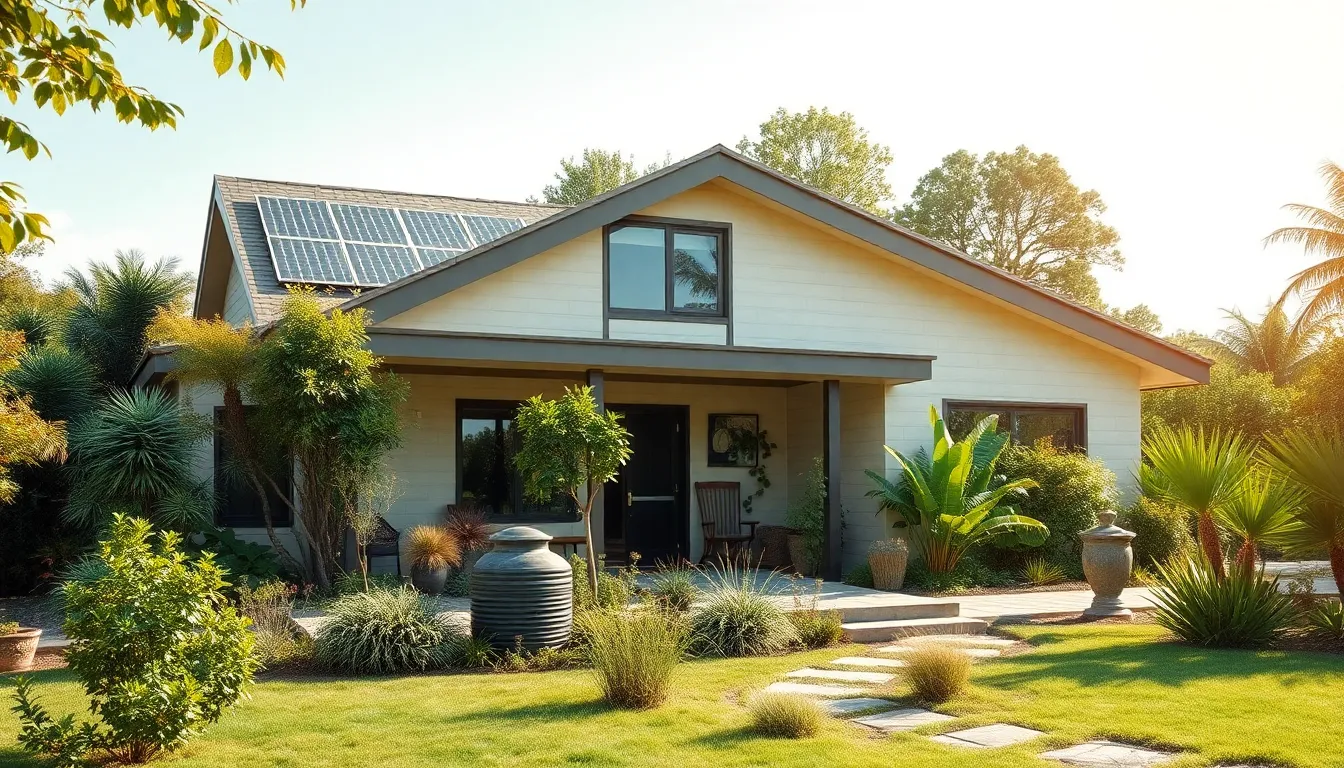
Sustainable home design incorporates various principles aimed at reducing environmental impact while promoting comfort and style. Significant aspects include site selection, energy efficiency, and water conservation.
Site Selection and Orientation
Choosing the right site for a home significantly influences its sustainability. Consider topography and sunlight when determining orientation. Ideally, positioning the home to capture natural light reduces reliance on artificial lighting. Selecting a location with access to public transportation or local amenities minimizes vehicle use, further decreasing the carbon footprint. Prioritize natural landscapes by integrating them into the design rather than disrupting existing ecosystems. These decisions set the foundation for an eco-friendly residence.
Energy Efficiency
Incorporating energy-efficient features enhances a home’s sustainability. Start with high-performance insulation to maintain comfortable indoor temperatures throughout the year. Energy-efficient windows minimize heat loss and gain, contributing to overall energy savings. Choosing ENERGY STAR-rated appliances reduces utility bills while decreasing energy consumption. Utilizing renewable energy sources, such as solar panels, further enhances energy efficiency. Each choice made regarding energy design helps to foster a sustainable living environment.
Water Conservation
Implementing water conservation techniques plays a crucial role in sustainable home design. Low-flow fixtures reduce water usage in kitchens and bathrooms without sacrificing performance. Rainwater harvesting systems collect and store rainwater for irrigation and other non-potable uses. Landscaping with drought-resistant plants minimizes the need for irrigation, conserving precious water resources. Collectively, these practices promote responsible water use and contribute to a home’s overall sustainability.
Materials and Resources
Sustainable home design relies on the thoughtful selection of materials and resources. Homeowners can significantly reduce their environmental impact by choosing the right options.
Sustainable Building Materials
Sustainable building materials include bamboo, reclaimed wood, and recycled metal. Bamboo grows quickly, making it an ideal renewable option for flooring and furniture. Reclaimed wood enhances aesthetics while promoting minimal waste, as it repurposes existing resources. Recycled metal is durable and energy-efficient, requiring less energy to produce than new metal. These materials not only reduce reliance on virgin resources but also contribute to healthier indoor environments.
Recycling and Upcycling in Construction
Recycling and upcycling play crucial roles in sustainable construction practices. Utilizing salvaged materials, such as bricks and fixtures, minimizes waste and reduces the need for new resources. Upcycling transforms discarded items into functional design elements, creatively enhancing spaces. For instance, old pallets can become furniture or garden beds. These practices promote resource efficiency while lowering carbon footprints, aligning with sustainable home design goals.
Benefits of Sustainable Home Design
Sustainable home design offers numerous advantages that positively impact both the environment and individual well-being.
Environmental Impact
Sustainable home design significantly reduces the carbon footprint of homes. By using energy-efficient appliances and renewable energy sources, homeowners can lower energy consumption. Water conservation techniques like low-flow fixtures and rainwater harvesting systems also promote responsible usage. Furthermore, incorporating sustainable materials such as reclaimed wood or bamboo minimizes waste and promotes biodiversity. Native landscaping not only enhances aesthetics but supports local ecosystems too. All these elements contribute to a healthier planet.
Health and Well-being
Indoor air quality is crucial for overall health, making sustainable design essential for well-being. It focuses on natural materials with low volatile organic compounds, reducing harmful emissions indoors. Natural ventilation enhances air circulation while maximizing daylight creates a more inviting atmosphere. A connection to nature through windows or outdoor spaces fosters mental well-being. Ultimately, these design choices create comfortable environments that improve residents’ quality of life.
Economic Advantages
Sustainable home design leads to long-term savings on energy and water bills. Energy-efficient homes often require less maintenance, decreasing ongoing costs. Many homeowners find that green upgrades increase property value, making them financially prudent investments. Additionally, incentive programs and tax rebates for energy-efficient renovations have become more commonplace. Ultimately, choosing sustainable options aligns financial benefits with environmental stewardship, offering a compelling case for homeowners.
Challenges in Implementing Sustainable Home Design
Sustainable home design presents challenges that can hinder its widespread adoption. One critical issue lies in the financial aspects.
Cost Considerations
Cost considerations remain a significant challenge. Often, initial investments for sustainable materials and energy-efficient technologies exceed standard construction norms. For instance, solar panel installation has higher upfront costs, though long-term savings on energy bills do materialize. Builders may require additional training on sustainable practices, leading to increased labor expenses. Competitive pricing for non-sustainable materials can also divert attention from eco-friendly options, discouraging homeowners from prioritizing sustainability. Financial incentives, such as tax credits or grants for energy-efficient upgrades, potentially alleviate these costs. Awareness of these incentives can help homeowners understand the true long-term value of sustainable investments.
Building Codes and Regulations
Building codes and regulations pose another obstacle in implementing sustainable home design. Local authorities often have strict guidelines that may not adapt to innovative sustainable practices. Compliance with these regulations can complicate the incorporation of renewable materials or advanced energy-efficient technologies. For example, some areas limit the use of highly sustainable products like recycled materials in structural applications. The challenge intensifies when navigating the permitting process, which may lack provisions for newer sustainable approaches. Collaborating with local officials can help streamline these processes, ensuring sustainable designs receive the needed support. Informed design professionals can also facilitate compliance with evolving regulations, fostering a smoother implementation of sustainable methods.
Sustainable home design is more than a trend; it’s a commitment to creating a better future. By prioritizing eco-friendly materials and energy-efficient technologies, homeowners can enjoy stylish spaces that align with their values. This approach not only enhances comfort and aesthetics but also fosters a healthier living environment.
Adopting sustainable practices leads to significant long-term savings and a reduced carbon footprint. As more individuals embrace this lifestyle, they become catalysts for change in their communities. With the right resources and support, anyone can transform their home into a model of sustainability. The journey toward a greener home is not just beneficial for the planet; it enriches lives and inspires others to follow suit.

