
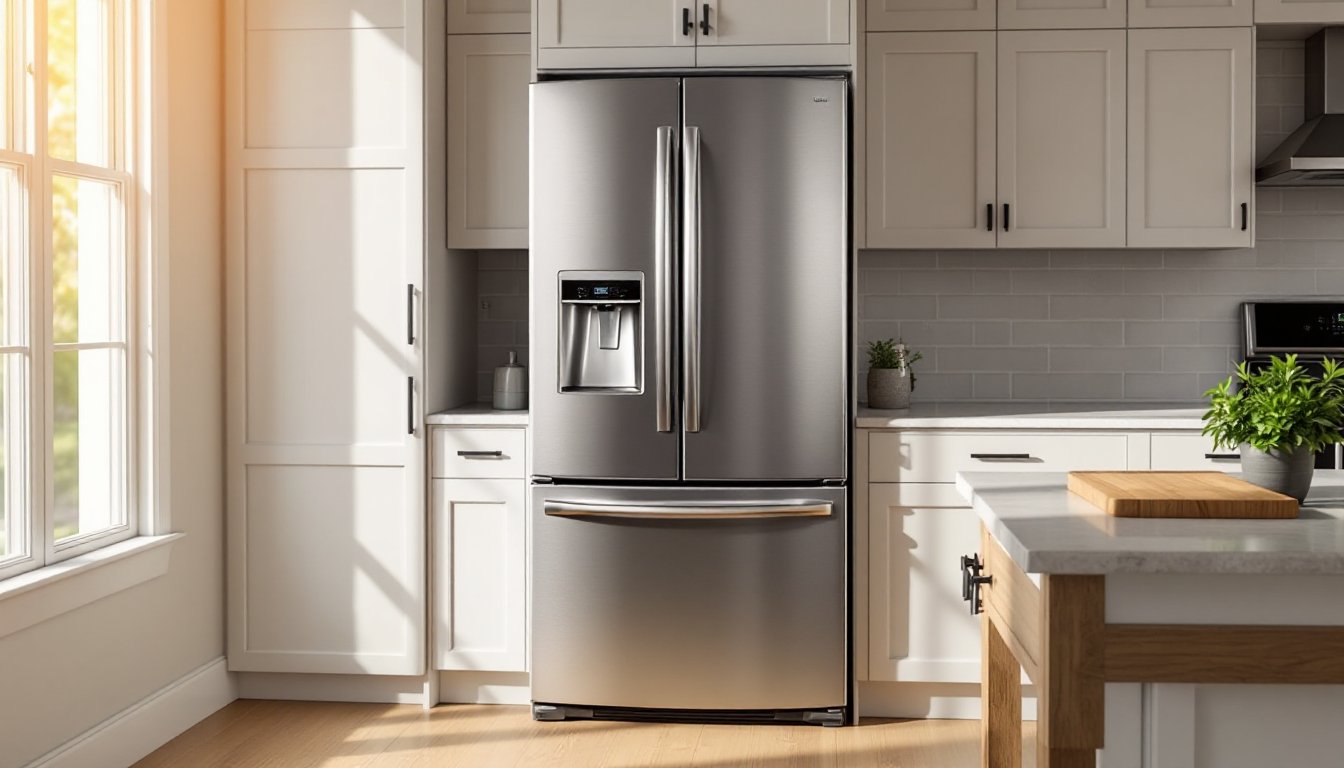
When you’re upgrading a kitchen, the refrigerator isn’t just an appliance, it’s a focal point. The Whirlpool Designer Style refrigerator line offers the kind of finish and features that make contractors stop mid-walk-through to take a second look. These aren’t your builder-grade boxes. They’re built for homeowners who want commercial-grade storage, intuitive organization, and a clean aesthetic that works whether you’re going for modern farmhouse or full contemporary. If you’re planning a DIY kitchen refresh or working with a designer, understanding what this line delivers, and what it demands from your space, will help you make a smarter choice.
Table of Contents
ToggleKey Takeaways
- The Whirlpool Designer Style refrigerator features a fingerprint-resistant stainless steel finish, flush-mounted water dispenser, and dual evaporator cooling system that maintains produce freshness and prevents odor transfer—making it ideal for high-end kitchen upgrades.
- With a 25–27 cubic foot capacity and French door design, the Whirlpool Designer Style refrigerator fits families of four to six and requires at least 37 inches of width clearance plus careful measurement for proper installation and door swing access.
- The dual evaporator system reduces compressor cycling, while LED lighting and an Energy Star certification keep annual energy costs around $84–$91, resulting in $1,050–$1,350 in potential savings over 15 years compared to pre-2010 models.
- The Designer Style’s adjustable glass shelves, humidity-controlled crisper drawers, and 38–42 decibel compressor noise rating deliver commercial-grade storage and quiet operation suitable for open-concept kitchen layouts.
- Maintenance like cleaning condenser coils every six months, changing water filters, checking door gaskets, and keeping the unit level ensures optimal performance and extends the appliance’s lifespan significantly.
- The stainless steel finish works seamlessly with modern farmhouse, contemporary, traditional, and professional kitchen designs, but avoid mixing it with black or white appliances to maintain visual cohesion.
What Makes the Whirlpool Designer Style Refrigerator Stand Out
The Whirlpool Designer Style series distinguishes itself with stainless steel finishes that resist fingerprints, a practical upgrade over standard stainless that shows every smudge. The exterior uses a micro-etched surface that diffuses oils, so you’re not wiping down handles three times a day.
Inside, you’ll find LED lighting positioned along the interior walls and ceiling, not just a single bulb at the top. This means you can actually see what’s in the back corners without pulling out half the shelf. The shelving system uses adjustable glass shelves with a spill-proof lip that contains leaks instead of letting them cascade down onto produce bins.
The French door configuration is standard across most Designer Style models, with a bottom freezer drawer that glides on metal tracks rated for heavy use. This isn’t a flimsy plastic glide system, it’s the same hardware you’d spec for cabinet drawers in a custom kitchen. The door bins are gallon-capable and adjustable in half-inch increments, which matters when you’re trying to fit tall bottles or pitchers.
One feature that separates this line from mid-tier models: the external ice and water dispenser is flush-mounted, not a protruding plastic box. It’s a small detail, but it changes the visual profile and makes the refrigerator easier to integrate into cabinetry runs without awkward gaps.
Key Features and Specifications You Need to Know
Most Whirlpool Designer Style refrigerators fall into the 25–27 cubic foot range, which is the sweet spot for a family of four to six. You’re looking at a footprint of approximately 36 inches wide by 70 inches tall by 36 inches deep (including door handles). Depth matters here, measure from your back wall to the edge of your counters to confirm clearance, especially if you’re flush-mounting or working with a galley kitchen.
The dual evaporator cooling system is worth understanding. Unlike single-evaporator units that share air between the fridge and freezer, the Designer Style uses separate systems. This prevents freezer air from drying out fresh produce and stops fridge odors from migrating to ice cubes. It’s the same principle commercial units use, and it extends the life of leafy greens by several days.
Temperature controls are digital and located inside the fresh food compartment, not hidden behind shelves. You’ll see a backlit display with separate settings for fridge, freezer, and deli drawer. The deli drawer, sometimes called a full-width pantry, sits at a mid-temp range (around 35–38°F) ideal for deli meats, cheeses, and prepped ingredients.
Compressor noise is rated at 38–42 decibels, roughly the level of a quiet library. If your kitchen is open to a living space, this matters. Cheaper models often hit 50+ decibels, which is noticeably louder during compressor cycles.
Storage Capacity and Interior Layout
The interior layout uses a three-tier fresh food zone: upper shelves for dairy and leftovers, middle shelves for beverages and prepared food, and lower crisper drawers for produce. The crispers are humidity-controlled with a slider that adjusts airflow, set it to high humidity for greens, low humidity for fruits that off-gas ethylene.
The freezer drawer divides into an upper basket (for quick-access items like frozen vegetables or ice packs) and a lower bin for bulk storage. Total freezer capacity runs about 7–8 cubic feet, enough for a quarter-side of beef or three weeks of meal prep.
Door storage includes a butter compartment with a hinged cover, sounds trivial, but it keeps butter at spreadable temp without turning your entire top shelf into a cold zone. The gallon door bins are deep enough for juice containers, wine bottles, or two-liter soda bottles without tipping.
Installation Considerations for Your Kitchen Space
Before you order, measure three times. You need 37 inches of width clearance minimum to account for door swing and handle projection. The door swing on French door models is about 90 degrees, so if you’ve got an island or peninsula within 48 inches, check that you can fully open both doors without hitting cabinetry.
Electrical requirements are standard: a grounded 115V/15A outlet on a dedicated circuit. The outlet should be positioned on the adjacent wall or floor, not directly behind the unit, so you can access it without pulling the fridge out. If you’re roughing in a new outlet, install it 12 inches off the floor and 6 inches to the side of the fridge footprint.
Water line installation is required if you’re using the ice maker and dispenser. You’ll need a 1/4-inch copper or braided stainless supply line tapped into a cold water pipe. Most kitchens have a shutoff valve under the sink, and you can tee off from there with a saddle valve or compression fitting. If you’re running a new line through a stud bay, drill 1/2-inch holes through studs and secure the tubing with plastic clips every 16 inches to prevent rattling.
For flooring, these units weigh 300–350 pounds empty. If you’re installing over vinyl plank or laminate, use a refrigerator mat or appliance pad to distribute weight and prevent indentation. Tile and hardwood can handle the load, but if you’re working with engineered wood, check the manufacturer’s load rating.
Door swing can be reversed on most models, but it’s a two-person job and requires removing the hinge covers, bracket bolts, and door gaskets. Budget 90 minutes if you’re doing this yourself, and make sure you’ve got the hinge hole plugs (usually included in the hardware packet).
Energy Efficiency and Long-Term Cost Savings
The Whirlpool Designer Style refrigerators carry an Energy Star certification, which means they use at least 10% less energy than the federal minimum standard. For a unit this size, expect annual energy consumption around 600–650 kWh per year. At a national average of $0.14 per kWh, that’s roughly $84–$91 per year in electricity costs.
Compare that to refrigerators built before 2010, which often pulled 1,200+ kWh annually, and you’re looking at a $70–$90 annual savings just from the efficiency upgrade. Over the typical 15-year lifespan of a refrigerator, that’s $1,050–$1,350 in avoided energy costs.
The dual evaporator system contributes to efficiency by running the compressor less frequently. Because each compartment is independently controlled, the system doesn’t overcool or cycle as often as single-evaporator designs. This also reduces wear on the compressor, which is the most expensive component to replace.
LED lighting draws about 75% less power than incandescent bulbs and lasts 20 times longer. It’s a small factor, but when you’re opening the door 20–30 times a day, it adds up.
One under-appreciated efficiency factor: the door gasket seal. Designer Style models use a magnetic gasket that creates a consistent seal across the entire perimeter. If you’re replacing an older fridge with a worn gasket, you’ll notice colder temps and less frost buildup in the freezer, both signs the unit isn’t working overtime to compensate for air leaks.
Design Compatibility with Popular Kitchen Styles
The fingerprint-resistant stainless finish works across multiple kitchen aesthetics. In a modern farmhouse kitchen, pair it with white shaker cabinets and matte black hardware, the stainless acts as a neutral bridge between the two. For contemporary or transitional spaces, the clean lines and flush dispenser complement flat-panel cabinetry and quartz counters.
If you’re working with a traditional kitchen, the French door profile is less jarring than a side-by-side model. The symmetrical door handles echo classic furniture hardware, and the stainless doesn’t clash with brass or bronze cabinet pulls the way brushed nickel sometimes does.
For homeowners exploring modern kitchen designs, the Designer Style’s recessed handles and minimal branding make it easier to achieve a built-in look without custom panels. You can flank the unit with floor-to-ceiling pantry cabinets and it’ll read as part of the cabinetry run, not a standalone appliance.
If you’re going for a professional or chef-style kitchen, consider the Designer Style as a mid-grade option between consumer models and true commercial units (which often require special ventilation and clearances). It delivers much of the storage flexibility and durability without the $8,000+ price tag.
One design note: avoid pairing this fridge with appliances in different finishes (like black or white). Mixing stainless with other colors breaks the visual line and makes the kitchen feel less cohesive. If you’re replacing just the fridge, plan to upgrade the range and dishwasher within a year to maintain continuity.
Maintenance Tips to Keep Your Designer Refrigerator Running Smoothly
Clean the condenser coils every six months. They’re located behind the kickplate at the bottom front of the unit. Pop off the grille (it usually snaps on with plastic tabs), and use a coil brush or vacuum attachment to remove dust and pet hair. Dirty coils force the compressor to work harder, which shortens its lifespan and drives up energy use. This is a 10-minute task that can add years to your appliance.
Change the water filter every six months or per the indicator light on the control panel. The filter is typically located in the upper right corner of the fresh food compartment. Twist counterclockwise to remove, then press the new filter in and twist clockwise until it locks. Use Whirlpool-branded filters or NSF-certified equivalents, off-brand filters often don’t meet the same contaminant reduction standards.
Check the door gasket quarterly. Wipe it down with warm water and mild dish soap to remove food residue and oils that can degrade the rubber. If you notice gaps or the gasket feels stiff, it’s time to replace it, a worn gasket can increase energy use by 10–15%.
Keep the interior clean with a baking soda solution (one tablespoon per quart of warm water). Avoid harsh cleaners or bleach, which can damage plastic liners and leave chemical odors. Wipe down shelves and bins monthly, and pull out the crisper drawers to clean underneath, this is where spills tend to pool.
Level the unit front-to-back and side-to-side using the adjustable feet at the bottom. A fridge that’s off-level won’t seal properly and can cause the doors to swing open on their own. Use a torpedo level on top of the unit and adjust the front feet by turning them clockwise to raise, counterclockwise to lower. The unit should tilt slightly back (about 1/4 inch over 36 inches) so doors naturally swing closed.
For noise or vibration issues, check that the unit isn’t touching cabinetry or walls. Leave at least 1/2 inch clearance on sides and top for airflow. If the unit is buzzing, it’s often the water line vibrating against the back panel, secure it with a zip tie or foam sleeve.
Finally, don’t overload door bins. The hinges are rated for specific weight limits (usually around 15 pounds per bin), and exceeding that can cause hinge failure or misalignment. Keep heavy items like milk jugs and juice on interior shelves where the load is distributed across the cabinet frame.