
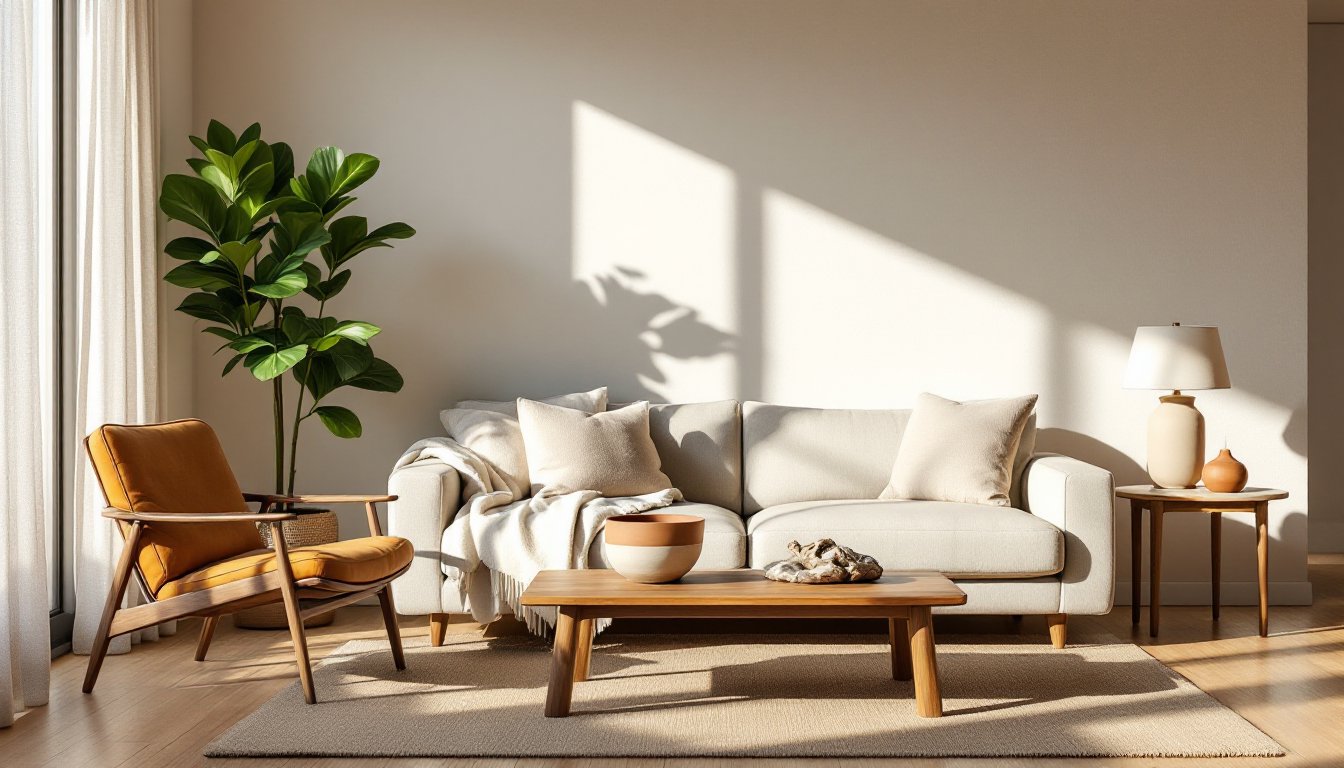
The organic modern living room isn’t about following a rigid design formula, it’s about creating a space that feels grounded, breathable, and quietly sophisticated. Think clean lines softened by natural wood grain, neutral palettes warmed by woven textures, and minimal clutter that lets each piece stand out. It’s the intersection where mid-century modernism meets nature-inspired design, and it’s easier to achieve than you might think. Whether you’re furnishing a new space or refreshing an existing one, this guide walks through the core elements, material choices, and layout strategies to help you build a living room that’s both visually calm and deeply inviting.
Table of Contents
ToggleKey Takeaways
- Organic modern style living room design blends clean, minimal modern forms with natural materials and textures to create spaces that feel grounded and inviting rather than sterile.
- Natural materials like unfinished wood, stone, plaster, and substantial textiles (linen, wool, jute) are foundational to authentic organic modern decor and should be prioritized over synthetic alternatives.
- A neutral color palette of warm whites, soft taupes, and earthy tones creates visual calm in an organic modern living room, with depth added through layered tones within the same color family.
- Furniture selection should balance clean geometry with softness—prioritize low-profile pieces with natural fabric upholstery, solid construction, and minimal ornamental details over bulky or highly decorative options.
- Layered textures through throws, cushions, ceramics, and greenery prevent organic modern spaces from feeling sparse, while careful lighting with warm-toned, dimmable fixtures highlights materials and reinforces the calm aesthetic.
- Intentionality and quality over quantity is essential for organic modern style; rushed furnishing trips and mass-produced pieces undermine the thoughtful, collected feel that defines this timeless design approach.
What Is Organic Modern Style?
Organic modern is a design aesthetic that blends the clean, uncluttered forms of modern interiors with the warmth and tactile richness of natural materials. It strips away ornament and excess while introducing organic shapes, raw textures, and earth-derived finishes that keep the space from feeling sterile.
Unlike traditional modern design, which can lean cold or overly minimal, organic modern prioritizes livability. Furniture silhouettes are streamlined but not stark. Surfaces might be smooth concrete or plaster but paired with linen, jute, or wool. Colors stay muted, think warm whites, soft beiges, taupes, and terracotta, but they’re layered thoughtfully to add dimension.
The style draws heavily from Scandinavian and Japanese design principles, where simplicity, craftsmanship, and a connection to nature guide choices. You won’t find heavy drapes, busy patterns, or elaborate trim work. Instead, the architecture breathes, the materials speak for themselves, and the overall effect is restful.
This isn’t a look you can shortcut with a single shopping trip. It requires editing, intentionality, and a willingness to invest in quality pieces over quantity. But the payoff is a living room that feels both current and timeless, a space that ages gracefully as trends cycle through.
Key Elements of an Organic Modern Living Room
Natural Materials and Textures
The foundation of organic modern design is material honesty. Natural wood is non-negotiable, look for pieces in oak, walnut, ash, or teak with visible grain and minimal staining. Avoid high-gloss finishes or overly distressed treatments. The goal is to let the wood read as wood, not as a decorative effect.
Stone and plaster bring weight and texture. A travertine coffee table, limestone fireplace surround, or lime-washed accent wall adds earthiness without pattern or color. These materials age visibly, developing a patina that reinforces the organic ethos.
Textiles should feel substantial and unrefined. Opt for linen slipcovers, wool throws, jute rugs, and raw cotton cushions. Skip synthetics and overly soft microfibers, they read as too polished. Texture variety is key: pair a smooth leather lounge chair with a chunky knit throw, or a flat-weave rug with a nubby linen sofa.
Rattan, cane, and wicker work well as accent pieces, side tables, pendant light shades, or chair frames. Just avoid overloading the room with too much woven material, which can start to feel busy.
Neutral Color Palettes with Earthy Tones
Organic modern spaces live in the zone between warm white and soft taupe, with accents pulled from nature: terracotta, clay, sand, olive, charcoal, and rust. The palette should feel cohesive but not flat, layer tones within the same family to create depth.
Walls are typically kept light. Warm whites (not stark cool whites) or off-whites with beige or gray undertones work best. If you want color, consider a muted ochre, soft sage, or greige on a single accent wall. Paint coverage averages 350-400 square feet per gallon for quality interior paint: plan accordingly if you’re tackling a large room.
Flooring follows the same principle. Wide-plank oak or white oak in a natural or matte finish is ideal. If you’re working with existing carpet or tile, layering a large jute or sisal area rug helps ground the space and introduces that raw, organic texture.
Avoid high-contrast schemes, black-and-white combos or bold jewel tones disrupt the visual calm. If you want to introduce deeper tones, do it through modern home decor ideas like sculptural pottery, dark wood furniture legs, or a charcoal wool throw.
Choosing the Right Furniture for Organic Modern Spaces
Furniture selection is where organic modern either clicks or falls apart. The key is finding pieces that balance clean geometry with softness, low profiles, rounded edges, and sculptural forms that don’t scream for attention.
Start with the sofa. Look for a design with a simple silhouette, minimal legs (or recessed ones), and upholstery in natural fabric. A linen or cotton-blend slipcover in cream, oatmeal, or light gray is a safe bet. Avoid tufting, nailhead trim, or overly plush cushions. The frame should feel solid, ideally hardwood with corner blocking, this isn’t the place to skimp on construction.
For seating variety, consider a lounge chair in leather, boucle, or wool. Mid-century-inspired silhouettes work well here, especially if they have curved armrests or tapered wood legs. Pair it with a simple wooden side table or a stone-top pedestal rather than a bulky end table.
Coffee tables should feel grounded. A solid wood slab on a minimal steel or wood base is ideal, or go with travertine, marble, or concrete if you want more texture. Avoid glass tops, they’re too reflective and formal for this aesthetic.
Storage pieces, credenzas, consoles, open shelving, should be low-slung and unfussy. Look for handleless designs or simple pulls, and prioritize joinery quality over decorative detail. If you’re sourcing vintage or secondhand, inspect dovetail joints, drawer glides, and veneer condition.
Scale matters. Organic modern favors furniture that sits closer to the ground, which makes ceilings feel higher and sightlines cleaner. If a piece feels too tall or heavy, it probably is.
How to Layer Textures and Accessories
Layering is what separates a well-executed organic modern room from one that feels sparse or incomplete. The trick is to add visual interest without clutter.
Start with textiles. A chunky wool or cotton throw draped over the sofa arm, a pair of linen cushions in slightly different tones, and a natural fiber rug underfoot create immediate warmth. Don’t match everything, intentional variation in weave, weight, and finish keeps the room from looking too styled.
Ceramics and pottery are go-to accessories. Look for handmade vessels in earthy glazes, think matte white, terracotta, or charcoal. Display them on shelves, coffee tables, or mantels, but keep groupings simple: one large piece or a cluster of three in varying heights. Avoid symmetrical arrangements.
Greenery is essential but shouldn’t overrun the space. Choose a few larger plants in unglazed terra cotta or ceramic planters, fiddle leaf figs, rubber plants, snake plants, or olive trees work well. Skip fussy arrangements or too many small pots, which can read as cluttered.
Art should be understated. Abstract prints, black-and-white photography, line drawings, or botanical studies in simple wood or metal frames fit the mood. Hang pieces at eye level and leave breathing room around them. A single large-scale work often has more impact than a gallery wall.
Wood and stone accents, bowls, trays, sculptures, driftwood pieces, add sculptural interest. These should feel collected, not coordinated. If something looks too perfect or mass-produced, skip it.
Lighting accessories matter too. A woven pendant, ceramic table lamp, or sculptural floor lamp in natural materials reinforces the organic theme without adding visual noise.
Lighting Ideas That Enhance Organic Modern Design
Lighting is often an afterthought in DIY projects, but in organic modern spaces, it’s a defining layer. The goal is soft, diffused light that highlights materials and textures without harsh shadows or glare.
Natural light is the starting point. Keep window treatments minimal, linen curtains, woven shades, or sheer panels that filter light without blocking it. Avoid heavy drapes or fussy valances. If privacy is a concern, consider top-down/bottom-up cellular shades that let you control light and sightlines independently.
For ambient lighting, choose fixtures with warm-toned bulbs (2700K to 3000K) that mimic natural daylight. LED bulbs are fine as long as they’re dimmable and have a high CRI (Color Rendering Index) above 90, which ensures colors and materials look true to life.
Pendant lights work well over seating areas or coffee tables. Look for designs in rattan, linen, paper, or ceramic that cast soft, textured shadows. Avoid shiny metals or overly industrial fixtures, matte black, aged brass, or natural wood finishes are better fits.
Floor lamps should feel sculptural but simple. Arched designs with linen shades, tripod bases in wood, or organic ceramic bodies add height and visual interest. Position them near seating to create task lighting that’s functional and inviting.
Table lamps on consoles or side tables provide accent light and anchoring mass. Choose designs that echo the room’s material palette, stone bases, turned wood, or handmade ceramics.
Avoid recessed can lights if possible, they’re efficient but can feel cold. If you’re stuck with them, swap in warm-toned bulbs and use dimmers to soften the output. Layer your lighting so you can adjust the mood: overhead for general tasks, lamps for evening ambiance.
If you’re planning any electrical work, adding new fixtures, moving outlets, or installing dimmers, check local codes and consider hiring a licensed electrician for anything beyond swapping bulbs or plugging in lamps. Most jurisdictions follow the National Electrical Code (NEC), which has specific requirements for load calculations and circuit wiring.
Finally, don’t underestimate organic modern interiors when it comes to how lighting interacts with materials. The way natural light hits a plaster wall or travertine table at different times of day is part of the design. Plan your lighting to enhance those moments, not compete with them.