
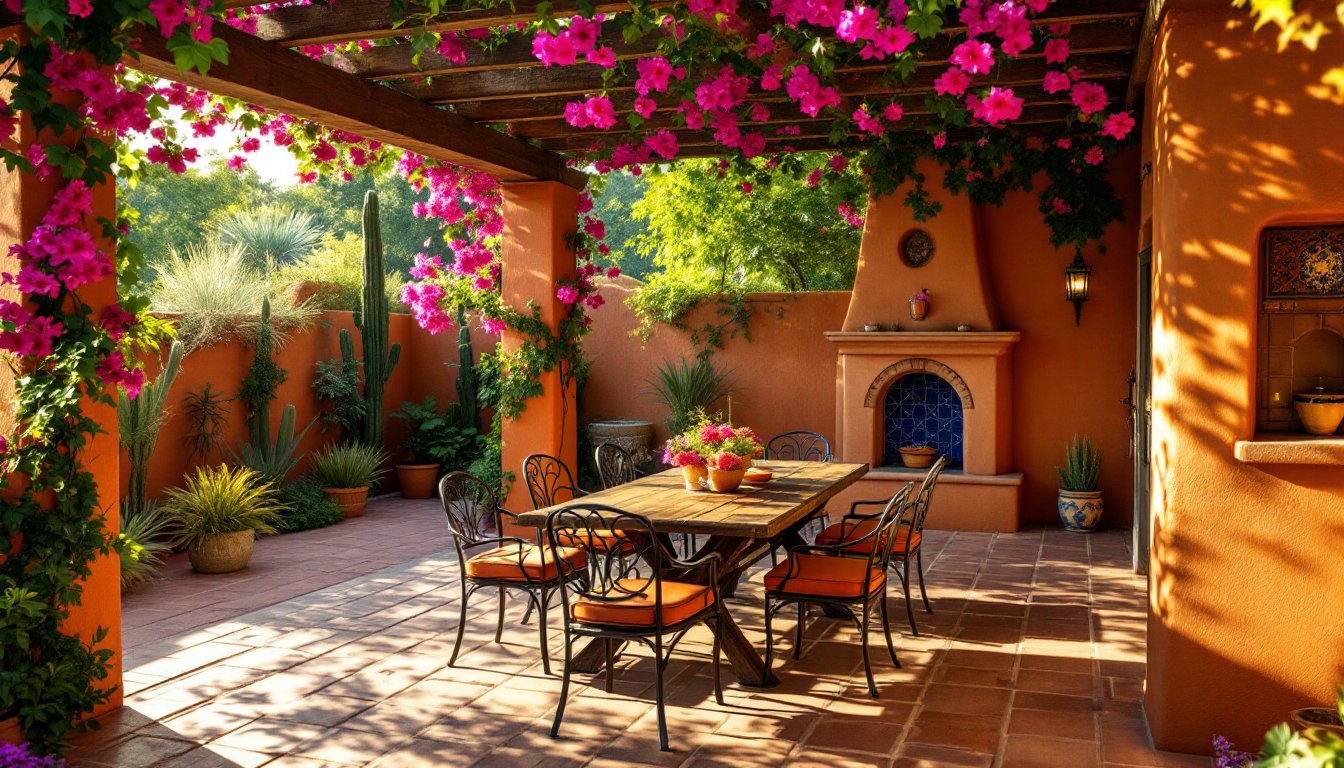
Mexican-style backyards aren’t about tossing a few terracotta pots around and calling it a day. They’re rooted in centuries of architectural tradition, from colonial haciendas to the vernacular courtyards of Oaxaca and Puebla. The aesthetic balances bold color with natural texture, intricate tilework with rustic wood, and functional outdoor living with lush, drought-adapted plantings. For homeowners looking to create a backyard with character and warmth, Mexican design offers a practical blueprint that works in climates ranging from desert Southwest to humid Southeast. This guide breaks down the materials, color strategies, and functional elements that define the style, and how to execute them without turning your yard into a theme park.
Table of Contents
ToggleKey Takeaways
- Mexican-style backyard ideas center on communal outdoor living spaces with traditional architectural elements like stucco walls, exposed wood beams, and clay tile flooring that create inviting courtyards.
- Bold color palettes inspired by regional clay, pottery, and colonial facades—including ochre, cobalt blue, and rosa mexicana—should be tested in full sun before committing to large surface areas.
- Durable, honest materials like saltillo tile, wrought iron, rough-sawn wood, and authentic Talavera pottery improve with age and are essential to authentic Mexican design.
- Position dining areas within 15-20 feet of the kitchen door, provide dappled shade with pergolas or ramadas, and include functional elements like chimeneas or fire pits to extend usability into cooler months.
- Mexican gardens rely on drought-tolerant, heat-loving plants like agave, bougainvillea, and Mexican sage that require minimal water once established and benefit from drip irrigation systems.
- Warm, layered lighting using Edison bulbs, wrought iron sconces at 2700K color temperature, and strategic accent lighting creates authentic ambiance without harsh floodlighting.
What Defines Mexican-Style Outdoor Design?
Mexican outdoor spaces prioritize communal living, shade, and a seamless flow between indoors and out. The courtyard (or patio) is the organizing principle: an enclosed or semi-enclosed area where walls provide privacy, microclimates stay cooler, and furnishings can remain year-round.
Architectural features include stucco or adobe walls, exposed wood beams (vigas), and clay tile roofing. Floors often use saltillo tile (unglazed terracotta pavers, typically 12×12 inches), which needs sealing but weathers beautifully. Pergolas and ramadas (open-roofed structures with mesquite or pine beams) provide filtered shade, critical in hot climates.
Water features matter. A simple tiled fountain or bubbler becomes a focal point and cools the air through evaporation. It doesn’t need to be elaborate: even a small wall-mounted fountain with a recirculating pump (1/40 HP is typical for small features) adds movement and sound.
Structurally, most of these projects are cosmetic or non-load-bearing. Building a pergola or replacing patio flooring usually doesn’t require a permit, but check local codes if you’re pouring footings deeper than 12 inches or running new electrical for lighting. Always call 811 before digging.
Color Palettes and Materials That Capture the Mexican Spirit
Mexican design uses color fearlessly, but not randomly. Traditional palettes draw from regional architecture: ochre, burnt sienna, and terracotta from clay: cobalt blue and turquoise from Talavera pottery: deep pink (rosa mexicana) and coral from colonial facades.
Exterior paint should be 100% acrylic latex for stucco or masonry. Expect coverage of about 350–400 square feet per gallon on smooth surfaces, less on textured stucco. Use a masonry primer if the surface is new or unsealed. Test colors in full sun, what looks like a soft peach indoors can read as neon at noon.
Tile is the signature material. Saltillo tile ranges from $2–$5 per square foot and requires sealed joints to prevent staining. Talavera tile (hand-painted glazed ceramic) costs $8–$20 per 4×4-inch piece, use it as accents on risers, tabletops, or fountain surrounds rather than full coverage. Cement tile is another option: durable, available in geometric patterns, but requires sealing every 1–2 years.
Wood and metal: Rough-sawn cedar or pine for pergola beams (nominal 6×6 or 4×6 posts), wrought iron for railings and furniture frames. Both weather to a silvery patina if left unsealed, which suits the aesthetic. If you prefer preservation, use a penetrating oil stain rather than film-forming polyurethane, it won’t peel.
Avoid vinyl, composite decking, or anything that screams “Home Depot 2015.” Stick to materials that age visibly and honestly.
Create an Inviting Outdoor Dining and Entertainment Area
Mexican backyards are built for gathering. The dining area should be the anchor, not an afterthought.
Location and layout: Position the dining zone within 15–20 feet of the kitchen door to make serving practical. A 10×12-foot space comfortably fits a 6-person table with chairs (allow 36 inches of clearance behind each seat). If building a new patio, pour a concrete slab at least 4 inches thick with 6×6 W1.4×W1.4 welded wire mesh. For drainage, slope the slab 1/4 inch per foot away from the house.
Shade structures: A pergola with 2×10 or 2×12 rafters spaced 16–24 inches on center provides dappled shade. For full coverage, add a corrugated metal roof or lattice with climbing vines (more on plants later). Alternatively, a retractable canvas awning works if your home’s exterior can support the mounting brackets, check the wall framing for studs or use toggle bolts rated for 50+ pounds per anchor.
Seating and furnishings: Solid wood tables (mesquite, pine, or reclaimed doors repurposed as tabletops) and wrought iron chairs with cushions upholstered in outdoor fabric (solution-dyed acrylic resists fading). Equip outdoor living spaces with benches along a low stucco wall for flexible seating during larger gatherings.
Built-in elements: A corner fireplace (chimenea) or fire pit (steel or clay) extends usability into cooler months. If building a wood-burning feature, ensure it’s at least 10 feet from structures and check local air quality ordinances, some areas restrict open burning. Propane or natural gas fire tables are easier to manage and don’t require ash cleanup.
Finish with a tile-topped bar cart or built-in outdoor kitchen if budget allows. Even a simple counter with a mini fridge and bottle opener beats running inside every five minutes.
Incorporate Authentic Decorative Elements and Accents
Details separate an inspired design from a caricature. Authentic accents are functional, not just decorative.
Talavera pottery: Use as planters (drainage holes are a must), wall plaques, or inset into stair risers. Real Talavera is hand-painted in Puebla: imported versions run $30–$100+ per piece depending on size. Knock-offs exist, but the glaze quality and color saturation give them away.
Textiles: Outdoor-rated woven blankets (serapes or frazadas) draped over seating or hung as wall art add pattern. Look for acrylic or polypropylene versions that won’t mildew. Indoor textiles will fade and rot outdoors within a season, don’t bother.
Ironwork: Wrought iron is traditional for gates, window grilles, and candle sconces. Powder-coated finishes hold up better than paint. If commissioning custom work, expect to pay $75–$150 per linear foot for decorative railings or gates.
Rustic wood details: Carved or turned wood corbels (decorative brackets) under beam ends, wooden shutters flanking windows, or a salvaged door repurposed as a garden gate. Seal with linseed oil or let them weather, either works.
Arte popular (folk art): Painted tin mirrors (espejos), papel picado (perforated paper banners, use weather-resistant plastic versions outdoors), and ceramic suns or moons mounted on walls. These aren’t structural: mount with masonry anchors or construction adhesive rated for exterior use.
Drawing from the gardens of Frida Kahlo offers inspiration for layering color, texture, and folk art into functional outdoor spaces.
Landscaping with Drought-Tolerant Plants and Succulents
Mexican gardens lean heavily on plants that thrive in heat and need little water once established. This isn’t about xeriscaping with gravel and three sad cacti, it’s about lush, layered plantings that require minimal irrigation.
Foundation plants:
• Agave (century plant): Sculptural rosettes, 3–6 feet wide depending on species. Plant in full sun, well-draining soil. Zero summer water once established. Wear heavy gloves, the leaf tips are needle-sharp.
• Bougainvillea: Climbing or sprawling shrub with vibrant papery bracts (not true flowers) in magenta, orange, or white. Needs support (trellis or wall-mounted wire). Blooms best with benign neglect, overwatering reduces flowering.
• Mexican fan palm (Washingtonia robusta): Fast-growing, reaching 40–60 feet. Works in USDA zones 9–11. Needs 15+ feet of clearance from structures due to root spread.
• Prickly pear cactus (Opuntia): Edible pads and fruit, plus architectural form. Space plants 4–6 feet apart. Watch for cochineal scale (white cottony clusters), spray with insecticidal soap if needed.
• Mexican sage (Salvia leucantha): Perennial with velvety purple-and-white flower spikes, 3–4 feet tall. Blooms late summer through fall. Cut back to 6 inches in late winter.
Ground covers and filler:
• Lantana: Tough, heat-loving perennial with clusters of orange, yellow, or pink flowers. Attracts butterflies. Can be invasive in mild climates, check local lists before planting.
• Mexican feather grass (Nassella tenuissima): Wispy, fine-textured grass with blonde seed heads. Self-sows freely (some areas classify it as invasive). Grows 18–24 inches tall.
Planting tips: Amend native soil with 30% compost if it’s heavy clay or pure sand. Mulch with 2–3 inches of decomposed granite or shredded bark to retain moisture and suppress weeds. Drip irrigation (1/2-inch polyethylene tubing with 1 GPH emitters spaced every 18–24 inches) is more efficient than overhead sprinklers and prevents fungal issues.
Lighting and Ambiance for Evening Gatherings
Lighting transforms a Mexican-style backyard after dark. The goal: warm, layered illumination, not a stadium floodlight.
String lights: Vintage-style Edison bulbs (S14 size, 11-watt incandescent or 1-watt LED equivalent) strung overhead on 18-gauge wire. Suspend from pergola beams, eaves, or dedicated poles. Use commercial-grade sockets rated for outdoor use and space bulbs 18–24 inches apart. Run power from a GFCI-protected outlet: if running new wiring, bury UF-B cable at least 18 inches deep (24 inches if not in conduit). This is straightforward DIY, but if you’re uncomfortable working with 120V, hire a licensed electrician.
Wall-mounted lanterns: Wrought iron or tin sconces with amber glass. Wire these to existing junction boxes or surface-mount with a weatherproof cover. Use warm white LEDs (2700K color temperature) for authenticity, cool white (5000K+) looks sterile.
Path and accent lighting: Low-voltage LED fixtures (12V system) along walkways and uplighting plants or walls. A 300-watt transformer handles up to 25 fixtures depending on wattage. Run 12-gauge cable for runs over 50 feet to prevent voltage drop.
Candles and fire: Hurricane lanterns with pillar candles on tables, or votive candles in colored glass holders. Keep them away from fabric and overhanging branches. Citronella candles help with mosquitoes but won’t eliminate them, pair with a ceiling fan (if under a covered area) to disrupt insect flight patterns.
Safety note: Always use fixtures rated for wet locations (not just damp) if exposed to rain. Wear safety glasses and gloves when cutting or stripping wire.
For additional ideas on regional outdoor design trends, consider how lighting strategies vary by climate and architectural style.
Conclusion
A Mexican-style backyard rewards attention to materials, color, and the layering of functional outdoor rooms. Focus on durable finishes, tile, stucco, wood, and iron, that improve with age. Prioritize shade and seating early: plants and decorative details come easier once the bones are solid. Most of these projects don’t require a contractor, but don’t skip prep work, especially surface cleaning before painting or tiling. The style’s forgiving of imperfection, hand-troweled stucco and unevenly laid tile are part of the charm, but structural shortcuts (weak footings, improper drainage) will haunt you. Build it right the first time.