
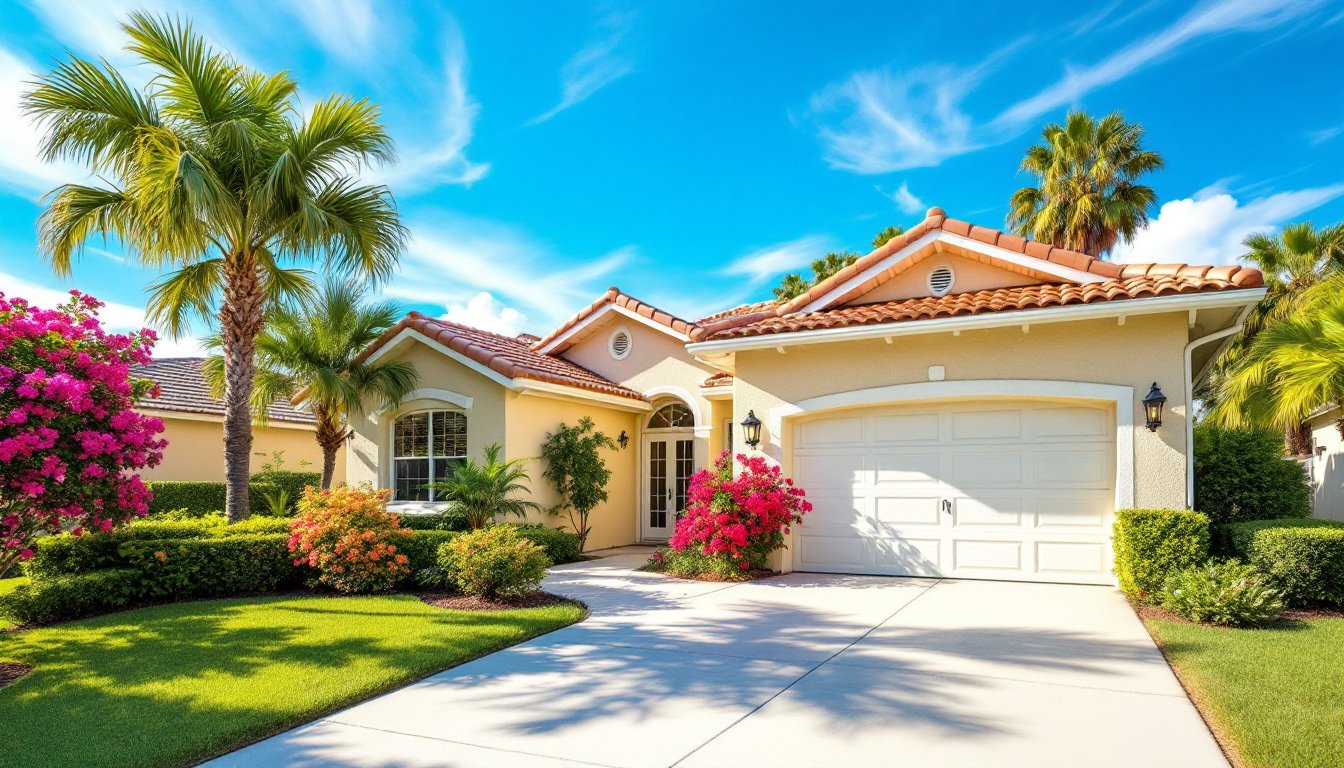
Stucco and Florida go together like palm trees and ocean breezes, it’s the region’s dominant siding material for good reason. But choosing the wrong exterior paint color can turn a fresh coat into a faded, chalky mess within a few seasons. Between the relentless UV exposure, salt air, high humidity, and afternoon thunderstorms, Florida stucco homes face conditions that demand smart color and finish choices. This guide walks through the best exterior paint colors that hold up under Florida’s punishing climate while delivering the coastal curb appeal that defines the region’s architectural style.
Table of Contents
ToggleKey Takeaways
- Florida stucco homes require exterior paint colors with a Light Reflectance Value (LRV) above 40 to minimize heat absorption, UV damage, and reduce air conditioning costs by 20–30°F compared to darker tones.
- Light whites, soft neutrals, and pastel coastal blues are the best exterior paint colors for Florida stucco because they resist fading, hide less dirt than mid-tones, and complement tropical architecture while reflecting intense UV radiation year-round.
- Satin and low-sheen finishes outperform flat paints on Florida stucco by balancing breathability with mildew resistance and cleanability, while semi-gloss and gloss finishes should be reserved for trim and doors only.
- Proper surface preparation—including pressure washing, crack repair, and primer application—is non-negotiable for any exterior paint color choice, as it ensures even coverage, proper adhesion, and prevents efflorescence or blistering.
- Popular exterior paint color recommendations for Florida stucco include Sherwin-Williams Alabaster, Benjamin Moore White Dove, Sherwin-Williams Sea Salt, and warm earth tones like terracotta, all formulated with 100% acrylic masonry paint to resist chalking and salt air corrosion.
Why Florida’s Climate Demands Special Color Considerations
Florida’s subtropical and tropical zones expose exterior paint to a level of stress few other regions experience. UV radiation is intense year-round, breaking down pigments and binders faster than in northern climates. Darker colors absorb more heat, which accelerates paint degradation and can cause the stucco substrate to expand and contract more dramatically, leading to microcracks over time.
Salt air in coastal counties, from Miami-Dade up through the Panhandle, carries corrosive particles that react with certain pigments, especially those containing iron oxides. Humidity levels regularly exceed 70%, creating ideal conditions for mildew and algae growth on painted surfaces. Light colors reflect more sunlight and heat, helping reduce thermal stress on both the paint film and the home’s cooling load.
Heat reflectivity matters for more than just curb appeal. The Florida Building Code encourages reflective roofing and wall materials to improve energy efficiency. Lighter exterior colors can lower surface temperatures by 20–30°F compared to dark tones, which translates to reduced air conditioning costs and longer paint life. When selecting a color, check the paint’s Light Reflectance Value (LRV), a number from 0 (pure black) to 100 (pure white). For Florida stucco, an LRV above 40 is recommended to minimize heat absorption and UV damage.
Finally, Florida’s frequent rain and high moisture levels mean paint needs excellent breathability. Stucco is a porous material: if moisture gets trapped behind a non-breathable paint film, it can cause efflorescence (white salt deposits), blistering, or peeling. Many homeowners considering exterior paint colors for stucco in warm climates prioritize formulations specifically designed for masonry surfaces.
Top Exterior Paint Colors That Thrive on Florida Stucco
Classic Whites and Soft Neutrals
Pure whites and off-whites are the most popular choices for Florida stucco, and for good reason. They offer maximum heat reflectivity, a clean aesthetic that complements tropical landscaping, and resilience against UV fading. Look for whites with warm undertones, creamy ivories, soft linen, or whites with a hint of yellow, to avoid the stark, clinical look of true white, which can appear bluish in Florida’s intense sunlight.
Sherwin-Williams Alabaster (SW 7008, LRV 82) and Benjamin Moore White Dove (OC-17, LRV 83.16) are two widely recommended choices. Both have subtle warm undertones that prevent the chalky appearance some pure whites develop after a few seasons. For a slightly deeper neutral, Accessible Beige (SW 7036, LRV 58) provides warmth without absorbing excessive heat.
Soft grays are another solid option, particularly those with beige or taupe undertones. Cool grays can look washed out or dingy in Florida’s humidity and should generally be avoided. Agreeable Gray (SW 7029, LRV 60) is a greige (gray-beige hybrid) that works well on stucco and pairs easily with white trim and dark bronze or black accents.
When using whites or light neutrals, plan for repainting every 7–10 years in coastal zones, 10–12 years inland. These colors show dirt and mildew more readily than mid-tones, so budget for periodic pressure washing (use low pressure, 1,500 PSI max, to avoid damaging stucco).
Warm Earth Tones and Terracotta Hues
Warm earth tones, sandy beiges, soft taupes, and muted terracottas, echo Florida’s Spanish Colonial and Mediterranean architectural heritage. These colors disguise dirt and mildew better than whites and still maintain reasonable heat reflectivity when kept in the lighter to mid-tone range.
Terracotta and clay hues are especially popular in South Florida and Southwest Florida, where Spanish Revival and Mission-style homes dominate. Choose lighter terracotta shades with an LRV above 30 to prevent excessive heat absorption. Sherwin-Williams Cavern Clay (SW 7701, LRV 29) sits right at the threshold and works well when paired with crisp white trim and a lighter roof color.
Sandy beiges like Benjamin Moore Coastal Fog (AC-1, LRV 61) or Sherwin-Williams Loggia (SW 7506, LRV 49) offer a middle ground, warm enough to add character, light enough to stay cool. These colors are forgiving in terms of maintenance and hold up well in high-humidity zones. They’re also flexible for accent colors: pair them with deep greens, navy, or bronze for trim and shutters.
Avoid darker earth tones like chocolate browns or deep reds on large stucco surfaces in Florida. They’ll absorb significant heat, fade quickly, and may require repainting every 5–7 years. If you love a darker accent, reserve it for trim, doors, or small architectural details.
Coastal Blues and Aqua Shades
Soft coastal blues and aquas are a natural fit for Florida’s waterfront and beach communities. These colors evoke the region’s ocean and sky while offering decent heat reflectivity when kept in lighter tones. They’re also less prone to showing dirt than whites, making them a practical choice for homes near sandy areas.
Sherwin-Williams Sea Salt (SW 6204, LRV 63) is a pale blue-green with gray undertones that shifts tone depending on light conditions, sometimes reading as soft blue, other times as a muted aqua. It’s a favorite for coastal Florida homes and pairs beautifully with white trim and natural wood accents.
For a slightly more saturated look, Benjamin Moore Palladian Blue (HC-144, LRV 59) offers a true soft blue with a hint of green. It’s bold enough to stand out but still light enough to stay cool. These colors work especially well on homes with tile roofs in warm terracotta or gray tones.
Pale aquas and seafoam greens, like Sherwin-Williams Rainwashed (SW 6211, LRV 59), bring a tropical, Key West vibe. They’re less common than whites and neutrals, so they help a home stand out without being jarring. Blue and aqua paint color ideas for stucco are particularly popular in coastal zones from the Keys to the Emerald Coast.
One caution: blues and greens with high chroma (color intensity) can fade faster than neutrals. Stick with softer, pastel versions and use a 100% acrylic exterior paint formulated for masonry. These paints contain UV inhibitors and are more resistant to chalking and fading than lower-quality formulations.
How to Choose the Right Finish for Stucco Surfaces
Finish matters as much as color when painting Florida stucco. The wrong sheen can trap moisture, highlight surface imperfections, or fail to provide adequate protection against mildew.
Flat (matte) finishes are the traditional choice for stucco. They hide surface irregularities well and offer the most breathable film, which is critical for moisture management. But, flat paints are harder to clean and more prone to mildew in high-humidity areas. If you choose flat, make sure it’s a 100% acrylic formula with mildewcide additives. Most premium exterior paints now include these, but check the label.
Satin and low-sheen finishes are increasingly popular for Florida stucco because they balance breathability with cleanability. A satin finish reflects just enough light to make pressure washing more effective while still minimizing glare. Brands like Sherwin-Williams Duration Exterior and Benjamin Moore Aura Exterior offer satin formulas designed for masonry that resist mildew and provide excellent UV protection.
Semi-gloss and gloss finishes are generally not recommended for large stucco surfaces. They highlight every bump and trowel mark, trap moisture more readily, and can look plasticky in bright sunlight. Reserve these sheens for trim, doors, and shutters where durability and washability are priorities.
Elastomeric coatings are a specialized option for stucco in Florida. These thick, rubberized paints are designed to bridge small cracks (up to 1/16 inch) and provide a waterproof barrier. They’re especially useful for older stucco homes with minor cracking or for homes in coastal zones with severe salt exposure. Elastomeric coatings typically last 10–15 years but are more expensive and harder to apply than standard exterior paint. They require a roller or airless sprayer, brush application is impractical due to the thick consistency.
Before painting, surface prep is non-negotiable. Pressure wash the stucco (1,200–1,500 PSI max) to remove dirt, mildew, and chalky old paint. Repair any cracks larger than 1/8 inch with an acrylic or elastomeric patching compound. Allow the surface to dry completely, at least 48 hours in Florida’s humidity, before priming. Use a masonry primer or a self-priming exterior paint formulated for stucco. Skipping primer on raw or heavily weathered stucco will result in uneven color and poor adhesion.
Application tips: Use a 3/4-inch to 1-inch nap roller to get paint into stucco’s textured surface. An airless sprayer works well for large jobs but requires back-rolling to ensure even coverage. Plan for two coats minimum. In Florida, avoid painting in full sun or when temperatures exceed 90°F, paint dries too quickly, preventing proper film formation. Early morning or late afternoon application is ideal.
Conclusion
Choosing the right exterior paint color for a Florida stucco home isn’t just about aesthetics, it’s about durability, energy efficiency, and long-term maintenance. Lighter colors with high LRVs, breathable finishes, and quality acrylic formulations will deliver the best performance under Florida’s intense sun, salt, and humidity. Whether leaning toward classic whites, warm earth tones, or coastal blues, prioritize prep work and use products designed for masonry to ensure a finish that lasts.