
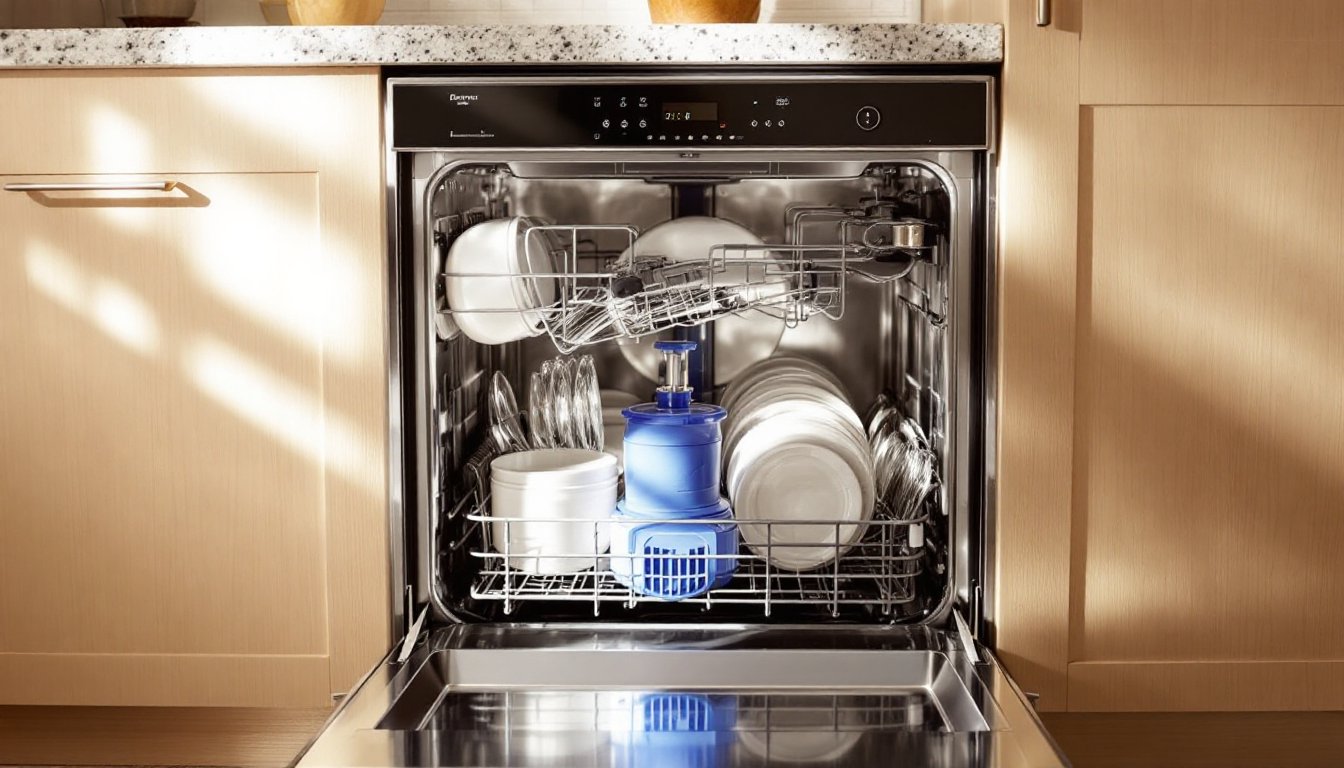
Most homeowners don’t think much about their dishwasher until it stops draining mid-cycle or starts leaving grit on the glassware. By then, the question becomes urgent: is it time to replace this thing, or can it be saved? Understanding how long a dishwasher typically lasts, and what factors speed up or slow down its decline, helps you plan maintenance, budget for repairs, and know when to start shopping. This guide walks through realistic lifespan expectations, the variables that matter most, maintenance habits that actually make a difference, and how to decide whether a failing machine deserves a second chance or a trip to the curb.
Table of Contents
ToggleKey Takeaways
- Most dishwashers last 9 to 12 years under typical use, with entry-level models reaching 7 to 9 years and high-end European models often exceeding 15 years.
- Monthly filter cleaning, hot water pre-runs, proper detergent use, and quarterly cleaning cycles are essential maintenance habits that extend your dishwasher’s lifespan by 2–3 years.
- Persistent leaks, dirty dishes despite correct loading, unusual grinding or squealing sounds, and frequent error codes are warning signs your dishwasher is nearing the end of its life.
- Use the 50% rule to decide between repair and replacement: if a repair costs more than half the price of a new comparable machine, replace it, especially if the dishwasher is over 8 years old.
- Build quality matters more than aesthetics—stainless steel tubs, replaceable components, and reputable brands like Bosch or Miele resist wear better than budget models with plastic interiors.
- Overloading the dishwasher accelerates wear on pumps and motors, while full loads with properly spaced dishes represent the ideal usage pattern for longevity.
Average Dishwasher Lifespan: What to Expect
Most dishwashers run reliably for 9 to 12 years under typical residential use. That estimate assumes the machine runs four to five cycles per week, handles standard food residue (not dried-on casserole cement), and receives occasional basic maintenance like filter cleaning.
Entry-level models, those priced under $400, often land closer to the 7- to 9-year mark. They use lighter-duty pumps, simpler spray arms, and thinner stainless or plastic tubs that wear faster. Mid-range machines ($600–$900) with stainless interiors, adjustable racks, and better insulation typically stretch to 10 to 12 years. High-end European models can push past 15 years, especially if they feature heavy-duty motors and modular components designed for repair rather than replacement.
These numbers aren’t guarantees. A unit that runs twice daily in a household of six will age faster than one used three times a week by a couple. Hard water, power surges, and skipped maintenance all shave years off the clock. Conversely, homeowners who clean filters monthly, scrape plates before loading, and run the hot water tap before starting a cycle often see their machines outlast the average by two or three years.
Key Factors That Determine How Long Your Dishwasher Will Last
Build Quality and Brand Reputation
The internal architecture matters more than the control panel aesthetics. Machines with stainless steel tubs resist rust and handle high heat better than plastic interiors, which can warp or crack over time. Pump motors rated for continuous duty last longer than economy models that cycle on and off. Brands with decades in the appliance business, Bosch, Miele, KitchenAid, tend to engineer for longevity because their reputations ride on it. That doesn’t make budget brands disposable, but repair techs see certain names in their shop more often.
Look for models with replaceable components: door latches, spray arms, and control boards that can be swapped without tearing apart the entire chassis. Some manufacturers design machines as sealed units, which keeps the initial price low but turns a $75 repair into a $900 replacement. Warranty length offers a clue, brands confident in their build quality back machines for five years or more, not just the legal minimum.
Usage Frequency and Load Size
Running the dishwasher once a day is well within design specs. Running it three times a day, every day, is not. Pumps, heating elements, and door seals all have finite cycle counts. A household that does 2,000 cycles will hit that limit faster than one doing 400 cycles a year.
Overloading accelerates wear. Crowded racks force the spray arms to work harder, strain the motor, and leave food particles that clog filters and nozzles. Underloading wastes water and energy but doesn’t typically harm the machine, except that more frequent cycles to handle the same dish volume means more wear overall. The sweet spot is full loads, properly spaced, with plates scraped (not rinsed) before loading.
Essential Maintenance Tips to Extend Dishwasher Life
Most dishwasher failures trace back to neglect, not defects. A few recurring tasks keep the machine running past its expected retirement date.
Clean the filter monthly. The mesh screen at the tub bottom traps food particles. When it clogs, the pump works harder, water drains slower, and debris recirculates onto dishes. Pull the filter (it usually twists out), rinse it under hot water, scrub with a soft brush, and snap it back. Takes three minutes. Skipping this is the single fastest way to kill a dishwasher.
Inspect and wipe door seals. The rubber gasket around the door traps crumbs, grease, and soap scum, which harden and prevent a tight seal. Every few weeks, run a damp cloth around the gasket. If it feels stiff or shows cracks, replacement gaskets run $20–$40 and install with basic hand tools. A leaking seal can damage flooring and cabinetry, issues that cost far more than the gasket.
Run hot water before starting a cycle. Dishwashers rely on the home’s water heater. If the line between heater and dishwasher runs 30 feet through a cold basement, the first few minutes of the cycle pull lukewarm water. Turn on the kitchen faucet until it runs hot, then start the machine. This simple habit improves cleaning and reduces the load on the heating element.
Use the right detergent, in the right amount. Too much detergent leaves residue that clogs spray nozzles and gunks up the pump. Too little leaves dishes dirty, prompting extra cycles. For modern dishwashing habits, follow the detergent package directions based on water hardness, not guesswork. If you have hard water (over 7 grains per gallon), add a rinse aid to prevent mineral buildup on the heating element and spray arms.
Check spray arms for clogs. Once or twice a year, remove the spray arms (they typically lift or unscrew) and flush the nozzles with water. Poke a toothpick or wire through any blocked holes. Mineral deposits and food particles reduce spray pressure, forcing the pump to compensate and shortening its life.
Run a cleaning cycle quarterly. Empty the dishwasher, place a dishwasher cleaner tablet or a cup of white vinegar on the top rack, and run a hot cycle. This dissolves grease, scale, and soap film from internal surfaces. Brands like Affresh or Finish make purpose-built cleaners, but plain vinegar works nearly as well for a fraction of the cost.
Warning Signs Your Dishwasher Is Nearing the End
Appliances don’t fail overnight, they give warnings. Catching these early lets you plan a replacement on your schedule, not during a holiday dinner cleanup crisis.
Persistent leaks. A small puddle once might be a door seal issue or an oversudsing mistake. Repeated leaks, especially from underneath, signal a cracked tub, failed pump seal, or compromised water inlet valve. Leaks risk water damage to flooring and cabinetry. If tightening connections and replacing the gasket don’t solve it, the machine is likely done.
Dishes come out dirty or gritty. First, rule out user error: clogged filter, blocked spray arms, wrong detergent, or cold water entering the machine. If those check out and dishes still emerge dirty, the pump may be losing pressure, the heating element may be failing, or the control board isn’t properly sequencing the wash cycles. Repairs for these components often approach half the cost of a new machine.
Loud grinding, squealing, or knocking. Dishwashers hum and whoosh: they shouldn’t sound like a rock tumbler. Grinding usually means a failing pump motor or damaged impeller. Squealing points to a worn bearing or motor bushing. Knocking can indicate a loose spray arm hitting the rack, but if it’s coming from the base, the pump assembly is likely compromised. Any of these noises, if persistent, justify a service call or replacement discussion.
Rust or corrosion inside the tub. Stainless tubs rarely rust, but plastic tubs with chipped coatings or poorly sealed welds can corrode, especially in hard-water areas. Once rust starts, it spreads. Flakes contaminate dishes and clog filters. There’s no economical fix for a rusted-through tub.
Frequent error codes or cycle interruptions. Modern dishwashers use sensors and control boards to manage water temperature, fill levels, and cycle timing. When those components age, they throw error codes or stop mid-cycle. An occasional reset might clear a glitch. If codes appear weekly, the control board or sensor array is failing, a repair that can run $200–$400 depending on the model.
Age beyond 10 years with any issue. A 6-year-old machine with a faulty door latch is worth fixing. A 12-year-old machine with the same problem is borderline. Factor in improved energy efficiency: newer dishwashers certified by ENERGY STAR standards use roughly 3.5 gallons per cycle compared to 10+ gallons for older models. Over a few years, water and electricity savings offset part of the replacement cost.
Repair vs. Replace: Making the Right Decision
The math changes depending on the machine’s age, the repair cost, and the replacement price.
The 50% rule is a useful guideline: if the repair costs more than half the price of a comparable new machine, replace it. For example, if a pump motor replacement runs $350 and a new mid-range dishwasher costs $700, the repair makes sense, if the machine is under 8 years old. If it’s 11 years old, that same $350 repair buys maybe two more years before something else fails.
Simple fixes are almost always worth it. Door latches ($20–$50), spray arms ($15–$40), and filters ($10–$30) are DIY-friendly and extend life significantly. Even a heating element ($50–$100 installed) is reasonable if the machine is otherwise solid.
Control board or pump motor replacements are judgment calls. These run $200–$500 depending on the model. For a 5-year-old Bosch or Miele, it’s worth it. For a 10-year-old budget model, probably not. Get a firm quote from a tech, then compare against new machines with better efficiency, quieter operation, and updated features.
Consider installation complexity. Swapping a dishwasher isn’t as simple as unplugging a fridge. You’ll need to disconnect the water supply line (usually a compression fitting under the sink), disconnect the drain hose, and often unbolt the unit from the countertop. Most installs require basic plumbing tools, a level, and an adjustable wrench. If the electrical connection is hardwired (not a plug-in), you might need an electrician. Factor $100–$200 for professional installation if you’re not comfortable with plumbing or electrical work.
Disposal and rebates. Many utilities and municipalities offer rebates for upgrading to energy-efficient appliances. Check local programs, some cover $50–$100 of a new machine’s cost. Most retailers haul away the old unit for a small fee ($25–$50), which beats wrestling it to the curb yourself.
If the machine still cleans well but has minor cosmetic wear (faded controls, scratched door), live with it. Those details don’t affect performance, and fixing them rarely improves resale value enough to justify the expense. Save the money for the inevitable replacement when a real failure hits.